Texas Railhawks Baseball
Build your game.
Find your team.
Purposeful coaching, competitive baseball, and technology-informed training for players ready to put in the work.
Develop · Compete · Advance
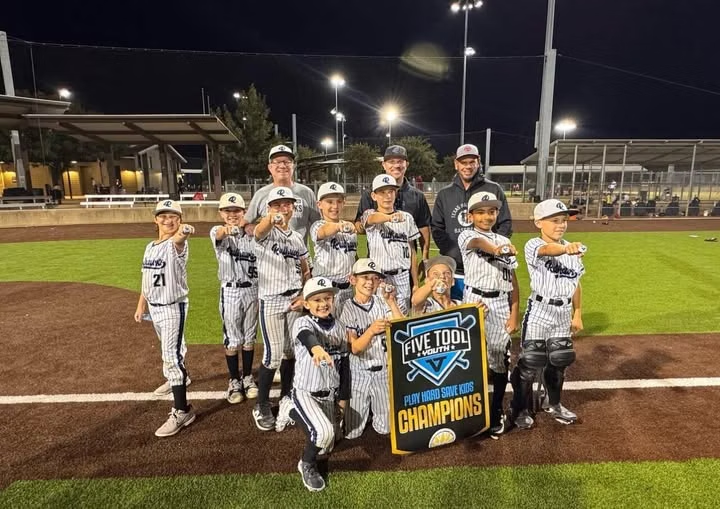
Tryout dates are announced on our tryout page. A parent or guardian registers each player online.
View All Tryout DatesWhy Railhawks
Built to develop
ballplayers.
We are not simply a tournament team. Railhawks Baseball follows a structured approach to player development — assess, plan, train, measure, compete and reassess — so every player knows where they are today and what comes next.
- 01
Purposeful coaching
Structured instruction, clear accountability and coaches who explain what each player is working on — and why.
What this means
- Player development first
- Every decision should help players improve.
- Quality coaching
- Structured instruction and clear accountability.
- Clear communication
- Families should understand expectations, development priorities and program direction.
- 02
Measurable development
Coaching observation paired with objective measurements, so progress is something a player can see, not just hear about.
What this means
- Objective feedback
- Combine coaching observation with measurable performance information.
- Age-appropriate development
- Development objectives change as athletes mature.
- Long-term development
- Sustainable improvement over short-term youth baseball results.
- 03
A team environment that challenges players
Competitive games used as the place to apply what players are learning — alongside teammates who expect effort.
What this means
- Compete with purpose
- Games are opportunities to apply what players are learning.
- Character & accountability
- Prepare, compete, respond to adversity and be a good teammate.
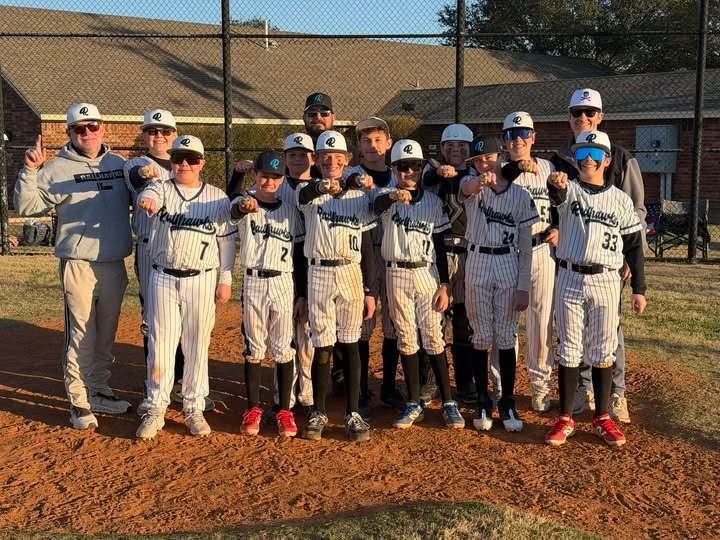
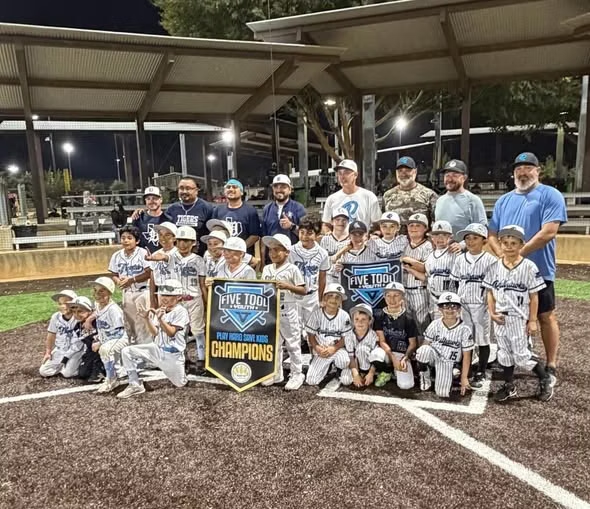
Player development
How your player
will develop
Every player moves through the same structured cycle. It repeats all season, so each block of training starts from what was actually measured.
Step 1
Assess
Establish objective baselines for each player's baseball skills.
Step 2
Plan
Identify development priorities appropriate to the player's age, position and current abilities.
Step 3
Train
Use intentional practices, repetitions, coaching and technology.
Step 4
Measure
Record objective player-development metrics over time.
Step 5
Compete
Apply skills against quality competition in real game environments.
Step 6
Reassess
Compare new measurements against the previous baseline and set the next priorities.
Development areas and younger players
- Hitting
- Pitching
- Defense
- Throwing
- Speed & athleticism
- Base running
- Baseball IQ
- Mental approach
- Teamwork
- Accountability
For younger divisions, priorities evolve with age and physical maturity. Early on we emphasize movement, fundamentals and a love of the game; measured performance carries more weight as players grow.
Coaching + measurement
Understand your game.
Train with purpose.
Measurements help identify what to work on. Coaching turns that information into purposeful practice.
The question
Is the swing getting faster and more consistent, and is the ball coming off the bat harder?
- Bat speed
- How fast the bat is moving when it meets the ball.
- Exit speed
- How hard the ball leaves the bat.
- Launch angle
- Whether the ball is hit on the ground, on a line or in the air.
How a coach uses it
A coach can see whether a swing change is actually helping, and choose the next drill based on what the numbers and video show together.
More technical detail
What we may track
Exit velocity · Launch angle & projected distance · Bat speed · Attack angle · On-plane efficiency · Time to contact · Rotational acceleration
Blast Motion · Swing sensor · Hitting
A small sensor on the knob of the bat measures how the bat moves through the swing. Reports include: Bat speed, Attack angle, Vertical bat angle, On-plane efficiency, Time to contact, Peak hand speed, Rotational acceleration, Early connection & connection at impact, Power.
HitTrax · Ball tracking · Hitting
Tracks the ball off the bat and projects where it would land, with video of each swing. Reports include: Exit velocity, Launch angle, Projected distance, Point of impact, Hard-hit rate, Line drives + hard-hit (LPH), Spray chart, Strike-zone results.
Readings are entered by coaches or imported from exported files; the app does not sync automatically with these devices. Tools used vary by session.
Individual player results are private to the player's family and staff and are never published on this website. Product names are trademarks of their respective owners; Railhawks Baseball is not affiliated with, sponsored or endorsed by them.
Training home
Where we train
The Train Station
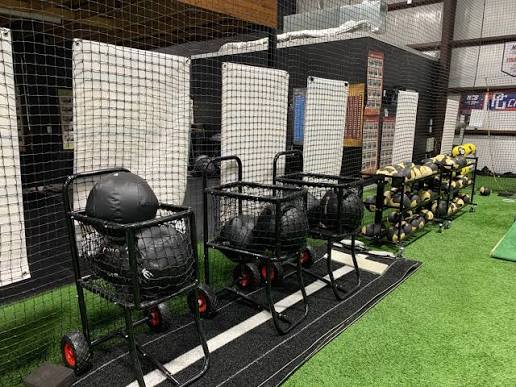
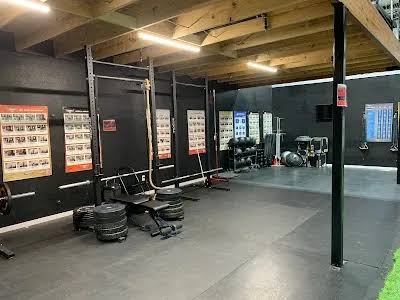
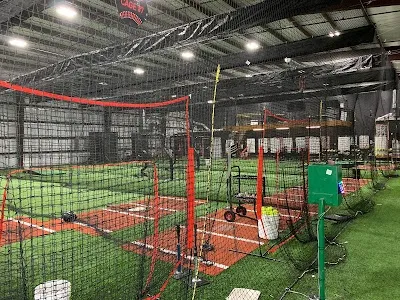
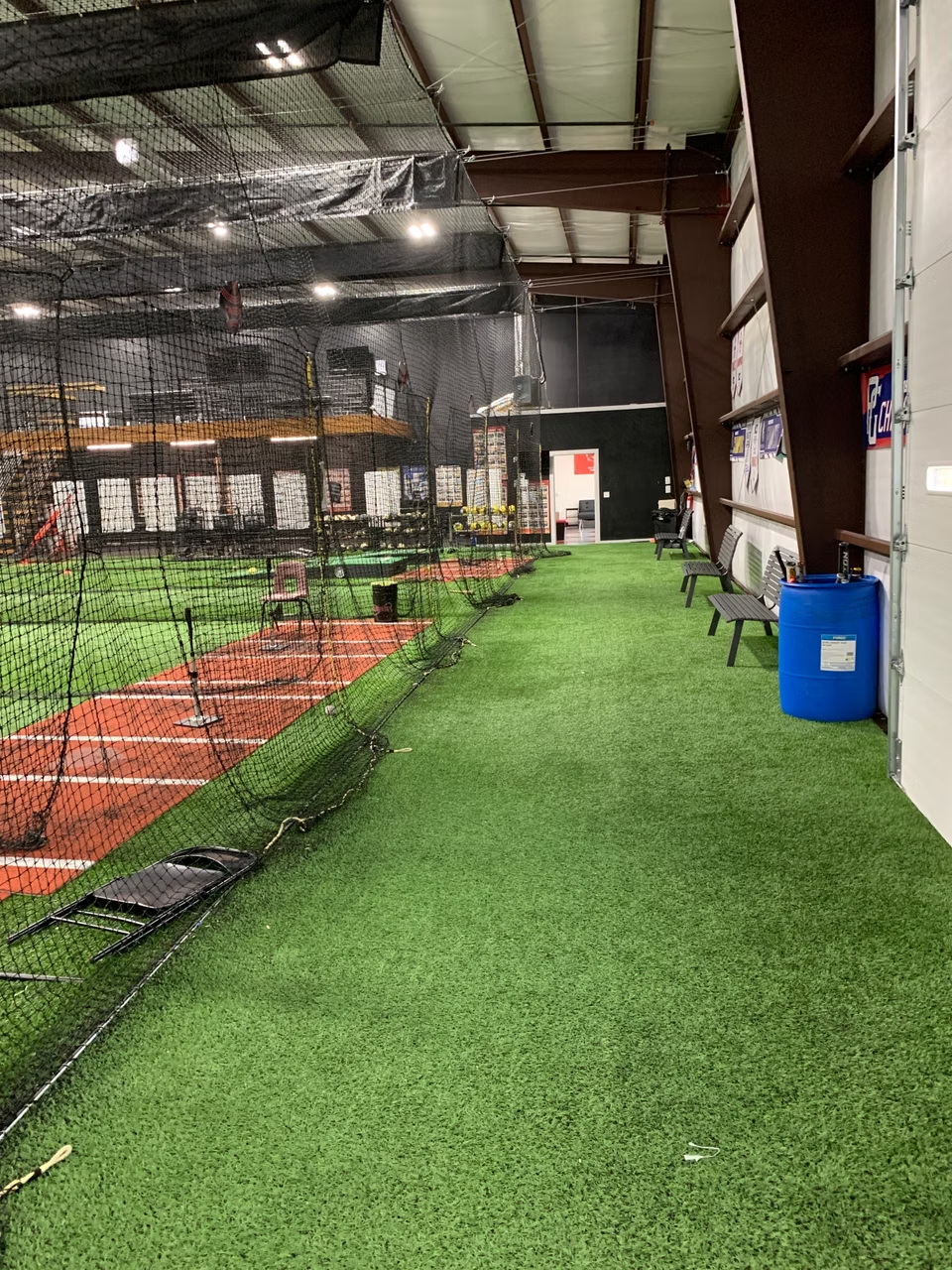
Railhawks players train inside The Train Station — indoor cages, turf and a strength area for year-round work.
Teams
Find your team
Development built for every stage of the game.
9U · OPEN
Railhawks 9U Orange
Spring 2027
9U · DIVISION 1
Railhawks 9U Blue
Spring 2027
9U · DIVISION 2
Railhawks 9U Black
Spring 2027
10U · OPEN
Railhawks 10U Orange
Spring 2027
10U · DIVISION 1
Railhawks 10U Blue
Spring 2027
10U · DIVISION 2
Railhawks 10U Black
Spring 2027
11U · OPEN
Railhawks 11U Orange
Spring 2027
11U · DIVISION 1
Railhawks 11U Blue
Spring 2027
11U · DIVISION 2
Railhawks 11U Black
Spring 2027
12U · OPEN
Railhawks 12U Orange
Spring 2027
12U · DIVISION 1
Railhawks 12U Blue
Spring 2027
12U · DIVISION 2
Railhawks 12U Black
Spring 2027
13U · OPEN
Railhawks 13U Orange
Spring 2027
13U · DIVISION 1
Railhawks 13U Blue
Spring 2027
13U · DIVISION 2
Railhawks 13U Black
Spring 2027
14U · OPEN
Railhawks 14U Orange
Spring 2027
14U · DIVISION 1
Railhawks 14U Blue
Spring 2027
14U · DIVISION 2
Railhawks 14U Black
Spring 2027
15U · OPEN
Railhawks 15U Orange
Spring 2027
15U · DIVISION 1
Railhawks 15U Blue
Spring 2027
15U · DIVISION 2
Railhawks 15U Black
Spring 2027
16U · OPEN
Railhawks 16U Orange
Spring 2027
16U · DIVISION 1
Railhawks 16U Blue
Spring 2027
16U · DIVISION 2
Railhawks 16U Black
Spring 2027
17U · OPEN
Railhawks 17U Orange
Spring 2027
17U · DIVISION 1
Railhawks 17U Blue
Spring 2027
17U · DIVISION 2
Railhawks 17U Black
Spring 2027
8U · OPEN
Railhawks 8U Orange
Spring 2027
8U · DIVISION 1
Railhawks 8U Blue
Spring 2027
8U · DIVISION 2
Railhawks 8U Black
Spring 2027
Interested in joining?
A division request is a preference only. It does not guarantee a roster spot or team placement — every placement is made by club directors after tryouts.
A pathway that grows with the player
Stage 1 · 8U–9U
Foundation
Fundamentals · Athletic movement · Throwing mechanics · Swing foundation · Baseball awareness · Love of competition
Stage 2 · 10U–12U
Development
Position development · Game awareness · Physical development · Measurable skill improvement · Competitive habits
Stage 3 · 13U–14U
Performance
Advanced skill work · Position specialization · Strength and speed development · Performance metrics · Competitive preparation
Stage 4 · 15U–17U
Preparation
Advanced development · Performance evaluation · High-school competition preparation · Recruiting readiness
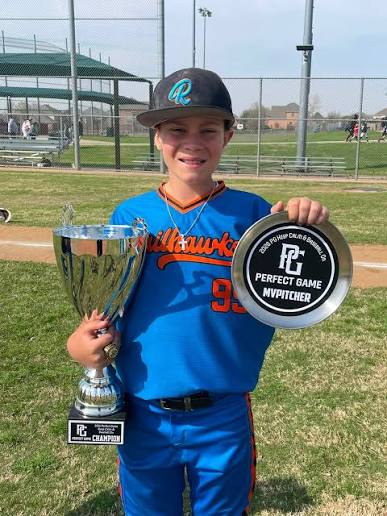
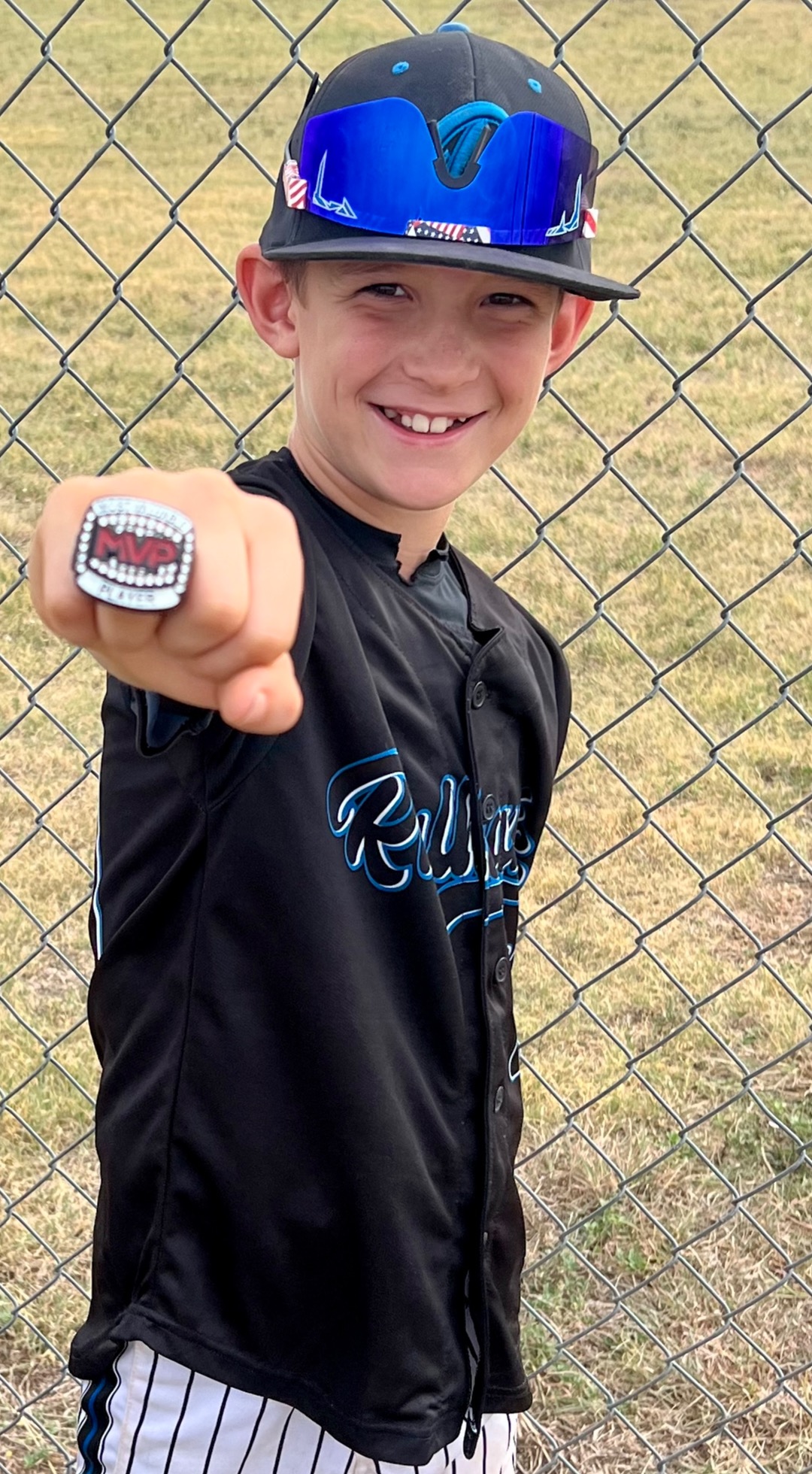
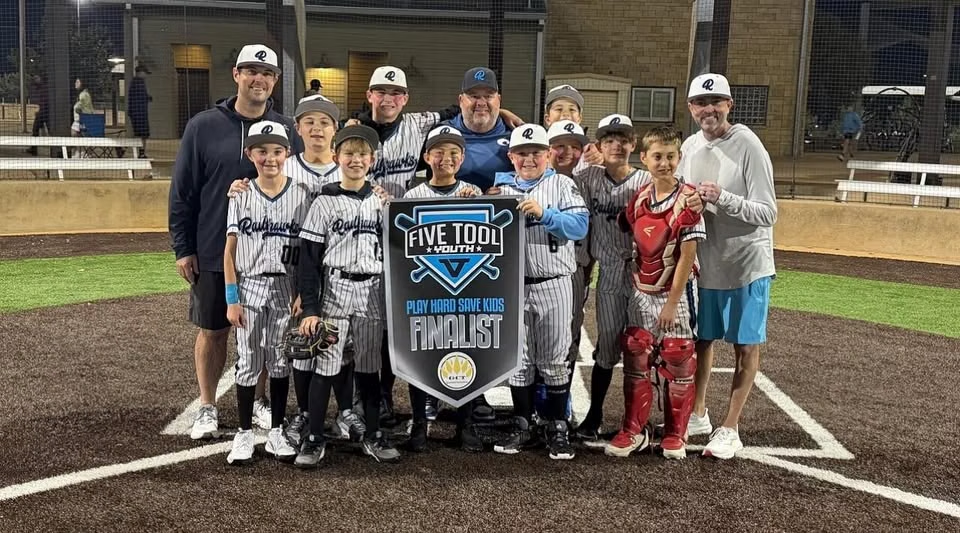
Railhawks culture
Talent matters.
Habits decide how far it goes.
The Railhawks program challenges players to become better athletes, better competitors and better teammates.
- Preparation
- Effort
- Coachability
- Accountability
- Competitiveness
- Teamwork
- Respect
- Character
Tryouts
Tryout questions
Who registers a player?
A parent or guardian registers each player online. Players do not create their own accounts to register.
When and where are tryouts?
Every published date, time and location is listed on the tryouts page.
How is my player's age group decided?
Railhawks follows Perfect Game age rules: a player's age group is based on their age on April 30 of the season year. For 14U and older, a director may instead place a player by graduation class after checking school records.
Does choosing a team or division guarantee a spot?
A division request is a preference only. It does not guarantee a roster spot or team placement — every placement is made by club directors after tryouts.
What happens at the tryout?
Players check in and receive a bib number, then rotate through stations where Railhawks coaches evaluate hitting, throwing, fielding, pitching and speed. Placement decisions are made by club staff after the tryout.
Ready to see
where you fit?
Join us for a Railhawks Baseball tryout and experience our approach to coaching, competition and player development.